---
title: Figma Setup
description: How to set up your Figma file for optimal use with the generator
---
# Figma Setup Guide
This guide will help you set up your Figma file correctly for both icon generation and theme variable management.
## Access Token Setup
1. Log in to your [Figma account](https://www.figma.com)
2. Go to Settings > Account Settings
3. Scroll to Access tokens
4. Click "Generate new token"
5. Give it a name (e.g., "Flutter Generator")
6. Copy and save the token securely
## File Structure
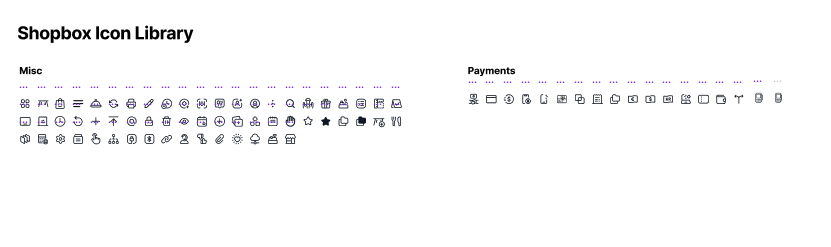
### For Icons
1. **Create a Dedicated Frame**
- Name it clearly (e.g., "Icons")
- Set a consistent size (e.g., 24x24)
- Enable "Auto Layout" for better organization
2. **Icon Components**
- Create each icon as a component
- Use clear, descriptive names
- Keep icons monochrome
- Align to pixel grid
3. **Naming Convention**
```
icon/menu
icon/search
icon/notification
```
4. **Finding IDs**
- File ID: In the URL `https://www.figma.com/file/XXXXXX/...`
- Node ID: Right-click frame > Copy/Paste as > Copy link
### For Variables
1. **Create Variable Collections**
- Create a collection named "1. ✨Mapped"
- Add modes (e.g., "Light", "Dark")
- Organize variables by category
2. **Variable Structure**
```
colors/
├── primary
├── secondary
├── background
└── text/
├── primary
├── secondary
└── accent
typography/
├── body_size
├── heading_size
└── font_family
spacing/
├── small
├── medium
└── large
```
## Best Practices
### Icon Design
1. **Vector Optimization**
- Use simple paths
- Combine shapes when possible
- Remove unnecessary points
- Boolean operations should be finalized
2. **Size and Alignment**
- Use consistent artboard sizes
- Center icons in their frames
- Snap to pixel grid
- Use even numbers for dimensions
3. **Color and Effects**
- Keep icons monochrome
- Avoid complex gradients
- Minimize use of effects
- Convert strokes to fills when possible
### Variable Management
1. **Naming and Organization**
- Use descriptive names
- Follow category hierarchy
- Keep naming consistent
- Use lowercase with underscores
2. **Value Types**
- Colors: Use RGBA values
- Numbers: Use pixel values
- Text: Use exact string values
3. **Mode Configuration**
- Set default mode
- Define all variables in each mode
- Use consistent value types
- Document any special cases
## Common Issues
### Icon Generation
1. **Export Problems**
- Ensure components are properly created
- Check frame constraints
- Verify node IDs are correct
- Use PDF export for complex icons
2. **Quality Issues**
- Check vector optimization
- Verify alignment to pixel grid
- Review boolean operations
- Ensure consistent sizing
### Variable Export
1. **API Access**
- Verify Enterprise plan
- Check API permissions
- Validate access token
- Review collection setup
2. **Value Mapping**
- Check variable types
- Verify mode configurations
- Review naming conventions
- Validate hierarchical structure
## Next Steps
After setting up your Figma file:
1. Try generating icons:
```bash
figma_flutter_generator icons --help
```
2. Generate theme files:
```bash
figma_flutter_generator variables --help
```
For more detailed usage instructions, see:
- [Icon Generation Guide](/icons)
- [Theme Generation Guide](/variables)
- [Usage Examples](/examples)